
My first trip to Africa was to Kenya in 1996. Several game reserves were closed due to terrorist activity, school teachers were on strike, and I quickly learned how challenging wildlife photography can be. We were not allowed to leave the vehicle or use tripods. Much of our shooting was done from the roof of the safari vehicle, using beanbags to stabilize our cameras.
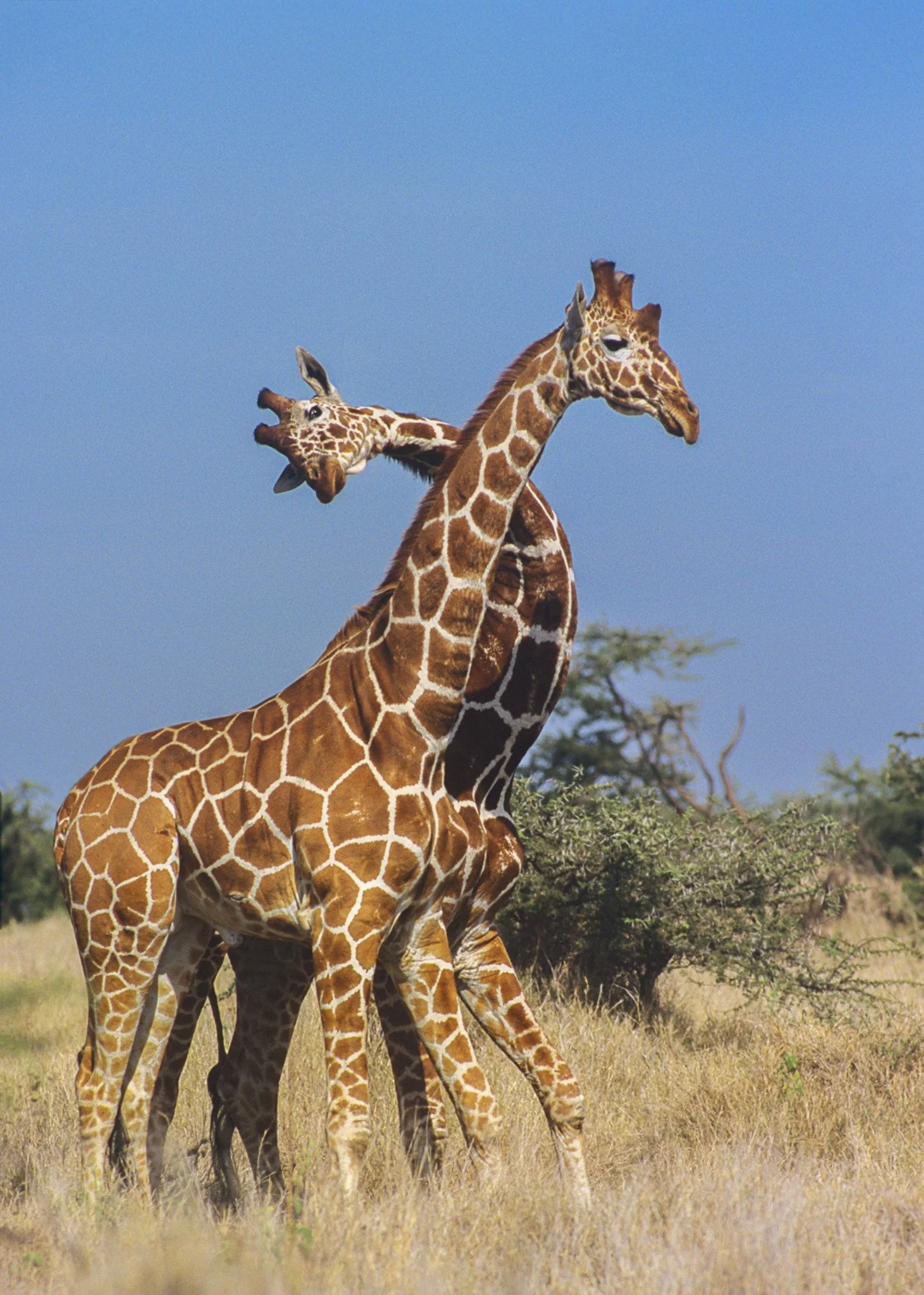
I vividly remember the excitement of watching flamingos fly over Lake Nakuru, observing giraffes sparring, and anticipating the possibility of seeing lions climbing trees in a few select reserves. It was exhilarating, unpredictable, and humbling.
I recently returned to Africa in 2024, this time visiting South Africa. Our guide was exceptional—he had participated in elephant translocation efforts when he was younger and grew up near Kruger National Park. His deep connection to the land shaped the entire experience.
He wanted us to see tourism as it existed years ago, before every luxury was built into the experience. He also wanted us to see rhinos with their horns intact. To do this, he took us to Swaziland (Eswatini), where the military actively guards rhinos. In South Africa, rhinos are now routinely dehorned to deter poaching. My understanding is that elephants are currently less threatened because rhino horn has become so much more valuable.
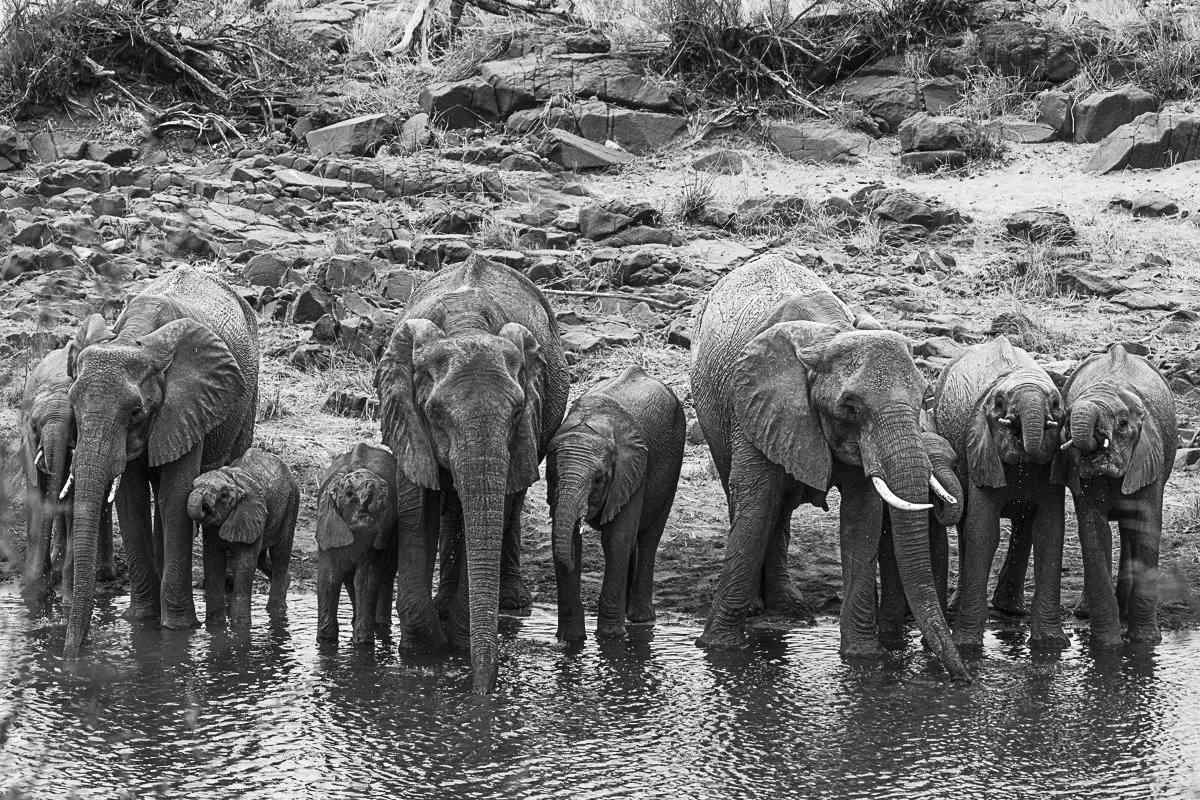
Despite being one of Africa’s most iconic species, elephants can be extremely destructive—imagine trying to keep one out of your garden.
Rhino horn is highly valued in parts of Asia, believed to function as both an aphrodisiac and a medicinal treatment to reduce fever. On the black market, rhino horn sells for approximately $8,000–$20,000 per kilogram in Africa, but once it reaches Asia, its value can exceed $60,000 per kilogram—making it more valuable than gold.
In addition to visiting Kruger National Park, we spent time in the Sabi Sands Reserve, where leopard sightings are relatively common. We also traveled to the Drakensberg Mountains. Prior to our arrival, a rare snowstorm swept through the area. Instead of the wildflowers and tropical vegetation we expected, we were treated to a dramatic, snow-dusted landscape and excellent hiking right outside our guest lodge.
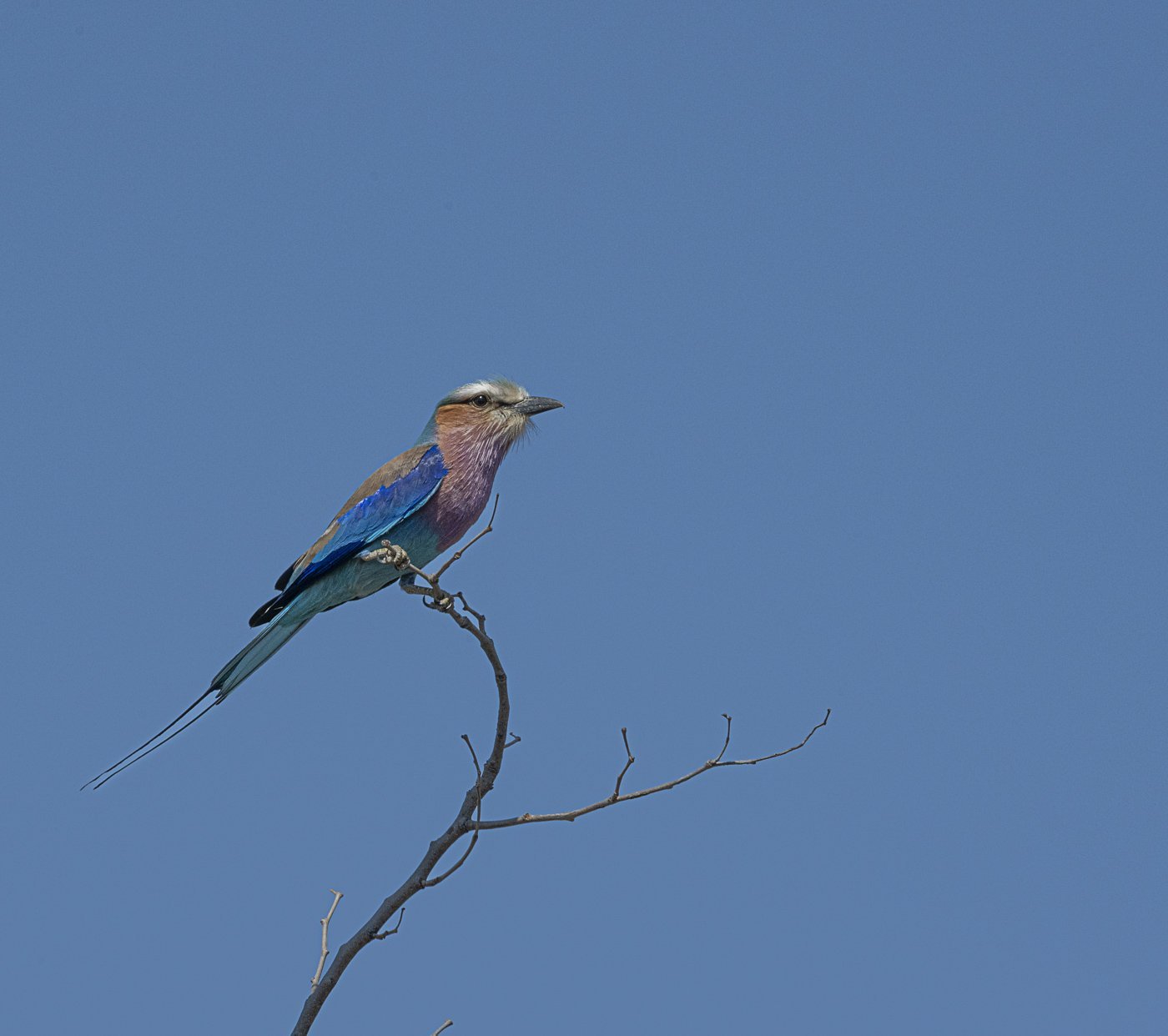
South Africans place a high value on biodiversity. Rare tree ferns, for example, are implanted with microchips to prevent poaching. There are at least ten different species of antelope, and I was especially struck by the diversity and vibrancy of the birdlife.
Black South Africans make up more than 80% of the population, and it was refreshing to experience a country where people—Black and white alike—were genuinely friendly and eager to share their home with visitors. The warmth and hospitality rivaled anywhere else I have traveled.
Advice for traveling to South Africa: book a reputable guide or travel company. I would not recommend driving yourself unless you are experienced or comfortable with white-knuckle driving. There are no sidewalks, and road edges are often crowded with cattle, pedestrians, and large trucks.
View my Africa Photo Gallery HERE